Sleep Like a Local: The Best Ryokans, Guesthouses, and Farmstays Hiding in Nogata
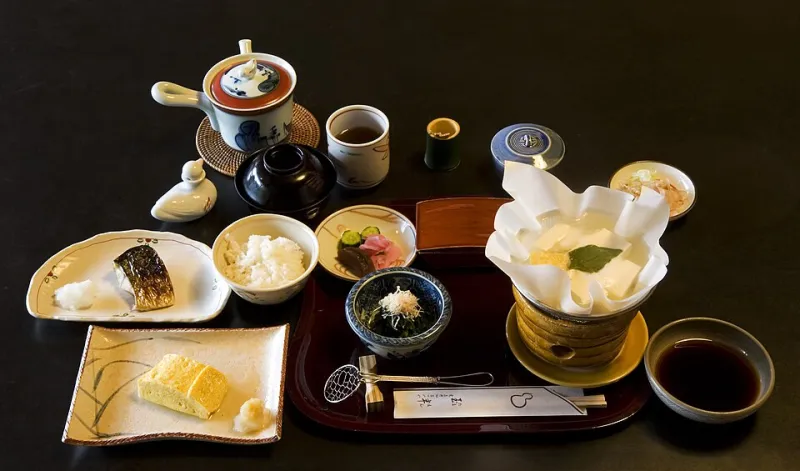
Photo: MichaelMaggs, CC BY-SA 3.0, via Wikimedia Commons
There's a certain kind of traveler who books a flight to Japan dreaming of paper screens, futon beds, and a ceramic cup of green tea handed to them before they've even unpacked. If that sounds like you, Nogata might just be the place that finally delivers on that fantasy — without the tourist markup or the Instagram crowds that tend to follow it.
Most visitors to Fukuoka Prefecture stick close to the city. And honestly, the city is great. But if you're willing to ride the Heisei Chikuho Railway a little further north, you'll find a region where the accommodation options feel less like a transaction and more like an invitation. Here's what's worth knowing before you book.
Why Nogata's Lodging Scene Feels Different
In major Japanese cities, even the ryokans have started to feel a little scripted. The staff bows at the right moments, the kaiseki arrives in the right order, but somewhere between the lobby gift shop and the elevator music, the soul gets lost.
Nogata doesn't have that problem — mostly because it hasn't been optimized for mass tourism yet. The places that offer rooms here tend to be run by actual people with actual stakes in your experience. An owner might sit down and talk you through the next morning's hiking trail over dinner. A guesthouse host might offer to drive you somewhere if the bus schedule doesn't work out. That kind of hospitality isn't a policy — it's just how things operate when a place hasn't been polished into a product.
Ryokans: The Classic Experience, Done Right
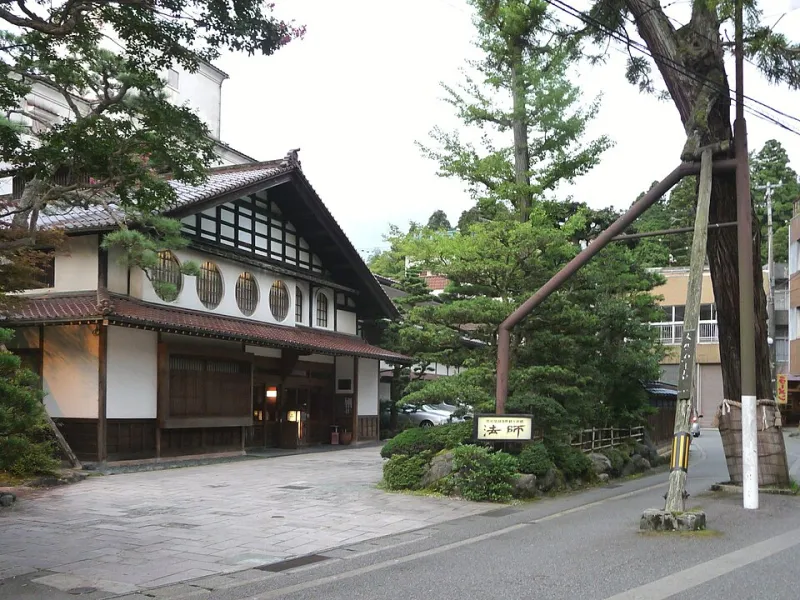
If you've never stayed in a ryokan, Nogata is a genuinely good place to try one for the first time. The scale is smaller here, which means you're not navigating a labyrinthine corridor to find your room or sharing a communal bath with forty strangers.
Traditional ryokans in the area typically offer tatami-floored rooms, yukata robes for padding around the property, and multi-course kaiseki dinners that showcase locally sourced ingredients — think seasonal vegetables from nearby farms, river fish, and regional tofu preparations that'd make a Brooklyn food blogger weep. Breakfast is usually just as considered: miso soup, pickled vegetables, grilled fish, and rice, served in your room or a small communal dining area.
What makes the Nogata ryokan experience worth singling out is the food sourcing. This is an agricultural region, and the kitchens know it. Ingredients don't travel far. Ask your host where something came from and they'll usually tell you the farm — or the farmer's name.
For first-timers: plan to arrive before dinner service and stay at least two nights. One night in a ryokan barely scratches the surface.
Guesthouses: For Travelers Who Want Connection Over Ceremony
Nogata's guesthouse scene is smaller but growing, driven partly by younger locals who've returned to the region after time in bigger cities and want to show it off properly. These spots tend to be more casual than ryokans — shared common areas, more flexible meal arrangements, and a vibe that's closer to a well-run Airbnb than a traditional inn.
What you give up in ceremony, you often gain in conversation. Guesthouse hosts are frequently the best source of local intel you'll find — they know which ramen shop is actually worth the line, which hiking trail has the best view at sunrise, and which izakaya stays open late enough to matter. That kind of local knowledge doesn't show up on any map.
Some guesthouses in the region have started offering add-on experiences — guided walks, cooking sessions, craft workshops — that pair naturally with a longer stay. If you're the type who wants your accommodation to be a launchpad rather than just a place to crash, look for these kinds of options when you're booking.
Farmstays: The Slow Travel Option
This is the one that tends to surprise people the most. A handful of properties in and around Nogata have converted old farmhouses — some of them generations-old kominka-style buildings with heavy timber beams and earthen floors — into guest accommodations that are genuinely unlike anything you'll find in a city.
Staying at a renovated farmhouse in rural Fukuoka is a particular kind of experience. The mornings are quiet in a way that's almost startling if you're used to urban life. You might wake up to the sound of birds rather than traffic. Breakfast might involve vegetables from a garden you can see from the window. In some cases, guests are invited to participate in seasonal farm activities — harvesting, planting, or simply wandering the property.
These aren't luxury stays in the conventional sense. The amenities are comfortable but not lavish. What they offer instead is a connection to place that's hard to manufacture and impossible to replicate in a hotel room. If slow travel is your thing — if you'd rather sit with a place than race through it — a farmstay in Nogata is worth serious consideration.
Practical Things Worth Knowing
A few notes for US travelers planning this part of the trip:
Book early, especially for ryokans. These aren't big operations. A popular ryokan might have only six or eight rooms, and they fill up — particularly during autumn foliage season and spring cherry blossom windows.
Language isn't usually a dealbreaker, but bring patience. English proficiency varies. Many smaller properties communicate well via booking platforms, but once you're there, a translation app and a willingness to gesture go a long way. Most hosts appreciate the effort more than the fluency.
Meals are often included — and often mandatory. The half-board (dinner and breakfast) arrangement is standard at ryokans and some guesthouses. Factor that into your budget comparisons. The food is almost always worth it.
Check the bathing situation. Shared onsen baths are common. Some properties have private baths available on request. If communal bathing isn't your comfort zone, ask before you book — hosts are used to the question and will give you a straight answer.
Cash is still king in many smaller places. Not all ryokans and guesthouses accept credit cards. Withdraw yen before you leave the city.
The Bigger Picture
Where you sleep in Nogata matters more than it might in a place where tourism infrastructure is fully built out. A generic hotel room keeps you comfortable but keeps you at arm's length from the place itself. A ryokan, a guesthouse, a farmhouse — these pull you a little closer.
That's not a small thing. Some of the most memorable moments from a trip like this don't happen at the famous shrine or the scenic overlook. They happen at a low table over dinner, when a host refills your sake cup and starts telling you about the valley outside the window — what it looked like thirty years ago, what it looks like now, and why they're still here.
That's the version of Japan that Nogata is still offering. It's worth showing up for.