When the Mines Closed Here Too: What Rust Belt Travelers Find in Nogata
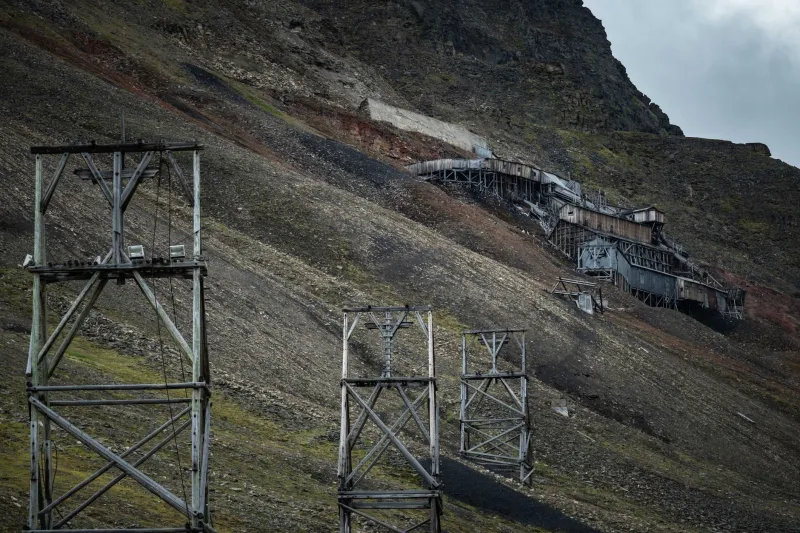
There's a story that keeps repeating itself in Nogata's guesthouses, and it goes something like this: an American traveler — usually from western Pennsylvania, or Ohio, or somewhere in West Virginia — books a trip to Japan expecting temples and bullet trains. They end up in a small Fukuoka coal town, standing in front of an old mining memorial, and something unexpected happens.
They get homesick for a place they've never been.
The Anatomy of a Company Town
Nogata was coal. For nearly a century, from the late 1800s through the postwar boom, the Chikuho coal field powered Japan's industrialization, and Nogata was one of its beating hearts. Company housing. Company bathhouses. Generations of men going underground and generations of women keeping the town running above it. Then the energy crisis hit, oil replaced coal, the pits closed one by one through the 1960s and 70s, and the young people left for Fukuoka City and Osaka.
If you grew up in Scranton or Beckley or Youngstown, you don't need me to finish this story. You've lived a version of it. The shuttered main street. The pride that outlasted the paycheck. The grandparents who won't talk about the old days, and the ones who won't talk about anything else.
Why This Resonance Matters
Travel writing loves the language of discovery — hidden gems, secret spots, places you've never heard of. But ask the Rust Belt visitors who've made their way to Nogata what the town gave them, and almost none of them say 'discovery.' They say things like familiar. Like my grandfather's stories, in Japanese.
There's something quietly profound in that. When two mining towns on opposite sides of the planet, separated by an ocean and a language, arrived at the same streetscape and the same silences, it suggests that industrial memory isn't local. It's a shared inheritance. The slag heaps outside Nogata and the slag heaps outside Wilkes-Barre are cousins.
And unlike back home, here you're a guest — which changes the experience in a useful way. You can sit with the sadness of a deindustrialized town without also sitting in your own grief about it. Some travelers describe it as the first time they could look at their own story clearly.
Where to Feel It
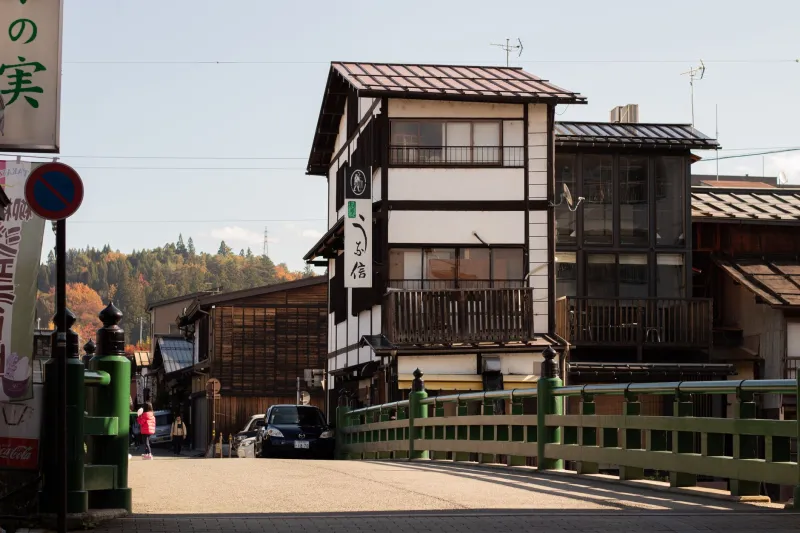
Start at the Nogata Memorial Hall of Coal, which preserves the machinery, the records, and — most affecting — the human scale of the industry. Then walk. The town's grid still follows the logic of the pits: where the workers lived, where they drank, where the bathhouse stood. Talk to older residents if you get the chance. You'll find that 'my family worked the mines' translates perfectly, no dictionary required.
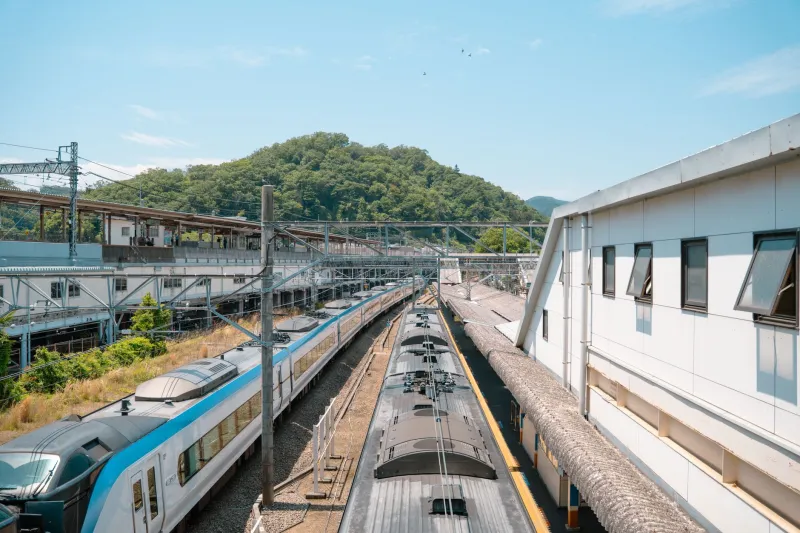
Then take the local Heisei Chikuho line through the valley and look at the hills. There's a particular way a landscape recovers after extraction — the way green creeps back over the scars — and if you've seen it in Appalachia, you'll recognize it here instantly.
Remembering as a Form of Travel
We tend to rank travel by novelty: the newer, the stranger, the better. But Nogata makes the case for a different ranking — travel that helps you understand where you're from. For American visitors carrying the story of coal towns and mill towns and all the places the good jobs left, this small city in Kyushu offers something no glossy destination can.
Not an escape. A mirror.
And honestly? Sometimes the most meaningful thing you can do eight thousand miles from home is stand in front of a memorial to miners, bow your head, and think: we knew them. We were them.