Four Seasons, One Region: Your Year-Round Outdoor Playbook for Nogata
Here's the thing about Kyoto in peak season: you'll spend more time dodging selfie sticks than actually enjoying Japan's legendary outdoors. Nogata, tucked into the northern edge of Fukuoka Prefecture, offers something genuinely rare — stunning natural scenery, a rotating cast of seasonal highlights, and almost zero tour-bus traffic. Whether you're a weekend warrior looking to day-hike or a slow traveler who wants to pair mountain trails with cold craft sake, Nogata's outdoor calendar has you covered all year long.
Spring: Wildflowers, Waterfalls, and the First Sip of the Season
If you can time your visit for late March through early May, you're in for a treat. The hillsides around Nogata come alive with cherry blossoms, mountain wildflowers, and the kind of saturated green that makes you question every nature photo you've ever taken back home. The trails near Inabayama and the surrounding forested ridgelines are particularly stunning during this window — manageable for moderately fit hikers and rewarding enough to feel like a genuine accomplishment.
Spring is also when local sake breweries start opening their doors for seasonal tastings. Nogata sits in a region with a quiet but proud brewing tradition, and the fresh-pressed shiboritate sake released in early spring is worth going out of your way for. Stop into one of the small family-run breweries on the outskirts of town, where you might find yourself chatting with the third-generation brewer over a tasting cup while cherry petals drift past the window. It's the kind of moment that doesn't show up in guidebooks.
For a full spring day, consider combining a morning trail hike with an afternoon brewery visit and finish at a local farmstand picking up seasonal vegetables for a picnic. Several farms in the Nogata area welcome visitors during spring harvest season — it's low-key agritourism at its most authentic.
Summer: Green Peaks and Cool River Escapes
Summer in Fukuoka Prefecture can get legitimately hot, but Nogata's elevation and forested terrain offer some natural relief. The trails are at their most lush in June and July, and the surrounding mountain streams become a popular escape for locals looking to cool off. Early mornings are your best bet for hiking — temperatures are manageable before 10 a.m., and the misty mountain light is nothing short of cinematic.
If you're visiting with kids or just want something a little more relaxed, the rural roads around Nogata are excellent for cycling. Rent a bike from one of the local outfitters and pedal through rice paddies and small farming villages where life moves at a pace that feels almost therapeutic compared to city travel. Farm stays and guesthouses in the area often arrange guided cycling routes — worth asking about when you book.
Summer evenings bring their own magic. Local festivals pop up across the region from July onward, and the combination of lantern light, street food, and fireworks over rice fields is the kind of experience that makes you rethink your entire travel bucket list.
Autumn: The Foliage Season Kyoto Wishes It Could Keep to Itself
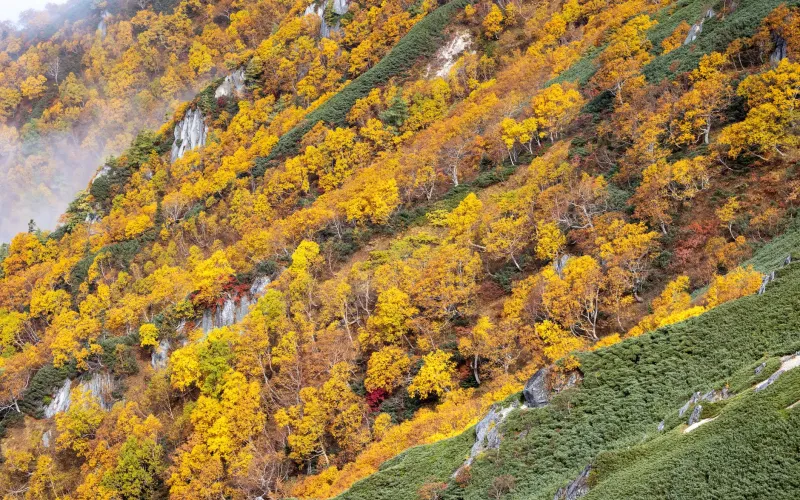
Okay, let's be honest — autumn foliage in Japan is spectacular everywhere, but the crowds in Kyoto and Nikko have gotten out of hand. Nogata's fall color season, which typically peaks between late October and mid-November, delivers the same fiery reds, burnt oranges, and golden yellows without the elbow-to-elbow experience.
The hiking trails through Nogata's forested hills become genuinely magical during this period. The light filtering through the maples in late afternoon is the stuff of photography dreams, and you'll likely have stretches of trail entirely to yourself. Bring layers — mornings can be crisp — and plan for longer hikes since you'll want to stop constantly for photos.
Autumn is also prime time for sake culture. The new brewing season kicks off in fall, and many breweries around Nogata begin releasing hiyaoroshi — a once-pasteurized sake that's aged through summer and released in autumn with a rich, mellow character. Pairing a post-hike tasting flight with seasonal local food is practically mandatory at this point.
Farm experiences take on a harvest-season flavor in fall, with rice harvesting activities and chestnut picking available at farms in the surrounding countryside. It's hands-on, it's photogenic, and it connects you to agricultural traditions that have shaped this region for centuries.
Winter: Hot Springs, Quiet Trails, and the Reward You've Earned
Winter in Nogata is underrated, full stop. The crowds thin out even further, the mountain scenery takes on a stark, cinematic beauty, and the local onsen (hot spring) culture becomes absolutely central to the experience. After a brisk morning hike through frost-dusted trails, soaking in a hot spring while looking out at misty mountains is the kind of reset your nervous system has been waiting for.
The region's proximity to several natural hot spring facilities means you don't have to travel far to find a proper soak. Many local guesthouses and ryokan in the area feature onsen baths — book ahead during the winter holiday season, as these spots fill up with Japanese travelers who know exactly what they're doing.
Winter sake culture is its own thing entirely. The brewing season is in full swing, and the cold air is considered ideal for producing high-quality sake. Some breweries offer winter tours where you can see the actual production process — the koji rooms, the fermenting tanks, the careful temperature management. It's nerdy in the best possible way, and the tasting at the end hits differently when you understand what went into the bottle.
Planning Your Nogata Outdoor Adventure
Nogata is accessible from Fukuoka City in under an hour by train, making it a realistic day trip or a worthy multi-night base camp. That said, staying overnight is strongly recommended — the region reveals itself slowly, and the early-morning and late-afternoon light on the trails is something a day-tripper will always miss.
For gear, most moderate trails require nothing more than solid walking shoes and weather-appropriate layers. The terrain is well-maintained and generally accessible to travelers without technical hiking experience. That said, if you're planning to tackle longer ridge routes in winter, check local trail conditions before you head out.
The honest pitch for Nogata is this: it gives you the outdoor Japan you've been imagining — the mountain views, the seasonal drama, the sake culture, the farm-to-table realness — without the logistical headaches of overbooked destinations. Come for the hike. Stay for the hot spring. Leave with a bottle of local sake and a very different understanding of what Fukuoka has to offer.