No Filter Needed: Why Nogata's Refusal to Be Photogenic Is Its Greatest Gift
Let's be honest. Most of us have planned a trip around a photograph. A torii gate at golden hour. Cherry blossoms framing a pagoda. That one shot from Arashiyama bamboo grove that half your friend group has already posted. Japan, more than almost any country on earth, has become a destination engineered for the feed.
And then there's Nogata.
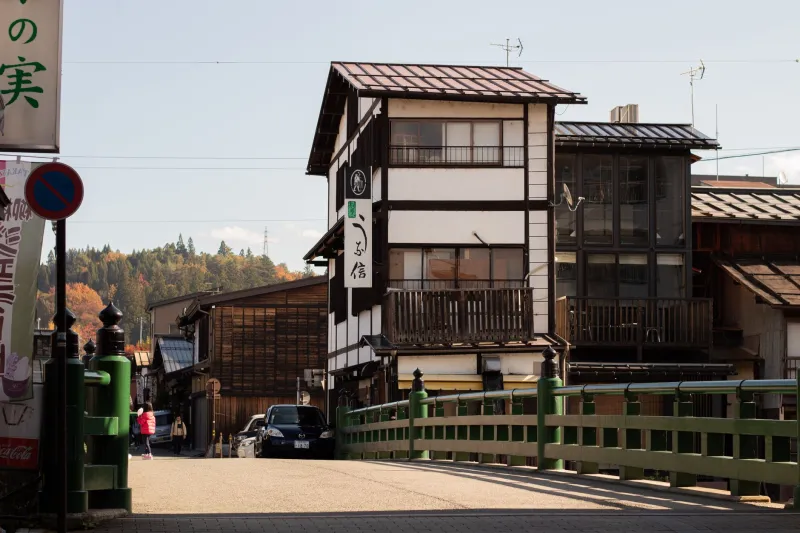
Nogata, a small city in northern Fukuoka Prefecture, does not have a signature shot. There is no single landmark that travel bloggers have collectively agreed to photograph from the same angle at the same time of day. There's no queue of tourists waiting to hold up a miniature Eiffel Tower in their fingers. What Nogata has instead is something increasingly rare in modern travel: the feeling that you showed up somewhere that wasn't expecting you.
That feeling, it turns out, is worth more than any photo.
The Problem with Postcard Japan
American travelers spend an enormous amount of energy chasing the Japan they've already seen online. The mental image is vivid — neon-lit alleyways, perfectly raked Zen gardens, bullet trains cutting through snowcapped mountains. These are real places, and they're genuinely beautiful. But they're also crowded, commodified, and increasingly difficult to experience without the layer of tourism infrastructure that separates visitor from place.
Kyoto's Fushimi Inari is magical. It's also elbow-to-elbow on most mornings. The famous Shibuya crossing is thrilling for about four minutes before you realize you're essentially standing in the world's busiest parking lot. None of this is a criticism — it's just the reality of what happens when the internet collectively agrees somewhere is worth seeing.
Nogata opted out of that agreement entirely.
What Happens When There's Nothing to Photograph
Jennifer, a graphic designer from Portland who visited Nogata last spring while working remotely, put it bluntly: "I didn't take a single photo the first day. Not because there was nothing around me, but because nothing screamed 'take a picture of this.' And somewhere around noon, I realized I'd been present for four hours straight without once reaching for my phone."
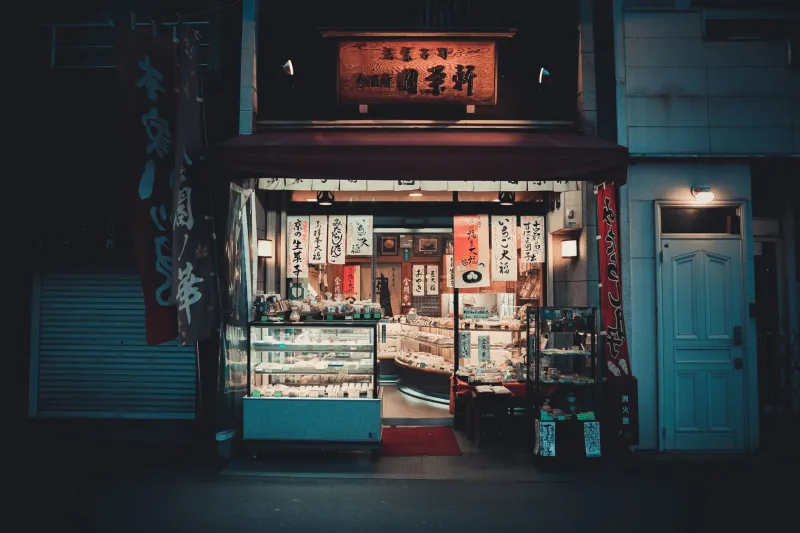
That's not a small thing. For many American travelers, the reflex to document has quietly replaced the act of experiencing. Nogata doesn't offer the same triggers. The streets are lived-in rather than staged. The food spots are local joints without English menus or curated aesthetics. The shrines are genuinely old rather than recently restored for tourism purposes. Nothing is asking to be photographed, which means everything is asking to be noticed.
Marcus, a high school history teacher from Atlanta who spent a week in the region last fall, described wandering into a neighborhood izakaya where the owner — a man in his seventies who'd been running the place for decades — spent an hour teaching him to count to ten in the local dialect over cups of shochu. "There's no Instagram story for that," he said. "But it's the only thing I talk about when people ask about my Japan trip."
The Infrastructure of Authenticity
One of Nogata's quiet advantages is precisely what tourism boards might list as a weakness: the relative absence of visitor infrastructure. There are no hop-on hop-off buses. No laminated menus in six languages. No dedicated tourist zones where everything is slightly more expensive and slightly less real.
What this means in practice is that visitors are pushed — gently, without any fanfare — into genuine interaction with the place. You figure out the local train schedule by asking someone. You order lunch by pointing and hoping. You get lost and find something better than what you were looking for. These are the conditions under which actual travel happens, and Nogata provides them almost accidentally.
The local morning markets are a good example. They exist for locals, not for tourists. Vendors aren't performing their craft for an audience — they're just selling vegetables and fish to their neighbors, same as always. Showing up as a visitor doesn't transform the market into an attraction. It just makes you a slightly confused newcomer, which is a far more interesting role than tourist.
Depth Over Dazzle
There's a particular kind of traveler Nogata tends to attract and transform. They arrive, often, as an afterthought — tacking on a few days after Fukuoka City, or following a recommendation from someone who resisted describing it too specifically. They leave with something harder to articulate than a highlight reel.
Sarah, a nurse from Chicago who visited with her husband two summers ago, described it this way: "We went to Kyoto and it was stunning. We went to Hiroshima and it was moving. We went to Nogata and we actually relaxed. Like, really relaxed. We stopped performing the trip and just started living it for a few days."
That distinction — performing a trip versus living it — gets at something real about what Nogata offers. Without the pressure to capture and share, travelers tend to slow down. They stay longer at a single temple. They accept an invitation for tea from a stranger without worrying about whether it fits the itinerary. They let the town set the pace, which turns out to be a very good pace.
How to Actually Visit Nogata
If you're convinced, here's the honest advice: come with low expectations and high curiosity. Don't build a Pinterest board. Don't scout locations in advance. Don't plan more than a loose framework of neighborhoods you want to wander through.
Do eat at places with no English signage. Do take the local bus at least once just to see where it goes. Do spend at least one morning doing nothing more structured than following whatever sounds interesting. The local shotengai — covered shopping streets that have been serving the same community for generations — are a good starting point for aimless wandering that tends to go somewhere unexpected.
Nogata rewards a particular kind of attention: the kind that doesn't know in advance what it's looking for. That's not a travel style that photographs well. It's a travel style that sticks with you for years after the trip, surfacing in memories that feel more like experiences than content.
Your camera will survive the rest. Give it a few days off.