Forget the Crowds: How Nogata Delivers the Japan You've Always Dreamed About
The Japan You See Online Isn't Always the Japan You Experience
We've all seen the photos. A narrow lantern-lit alley. An elderly craftsman bent over his work. A festival crowd dressed in yukata, laughing and sharing skewered food under a canopy of paper lights. These images flood travel feeds every summer, and they make Japan look like the most magical place on earth.
Then you actually go — and you spend forty-five minutes in a line at Fushimi Inari, elbowing past selfie sticks at Senso-ji, and eating ramen from a chain restaurant because every "hidden gem" in your guidebook turned out to be anything but hidden.
This isn't a knock on Tokyo or Kyoto. Those cities are genuinely incredible. But for American travelers who want the version of Japan that feels lived-in, unscripted, and real — the answer might be a place most people can't even find on a mental map: Nogata, a mid-sized city in the northern part of Fukuoka Prefecture.
A City That Doesn't Know It's a Destination
That might sound like a backhanded compliment, but it's actually the highest praise you can give a travel destination. Nogata hasn't been polished for tourism. There's no English-language welcome center handing out curated walking maps. The restaurants don't have picture menus designed for nervous foreign visitors. The locals aren't performing culture for an audience — they're just living their lives.
And that's exactly what makes it extraordinary.
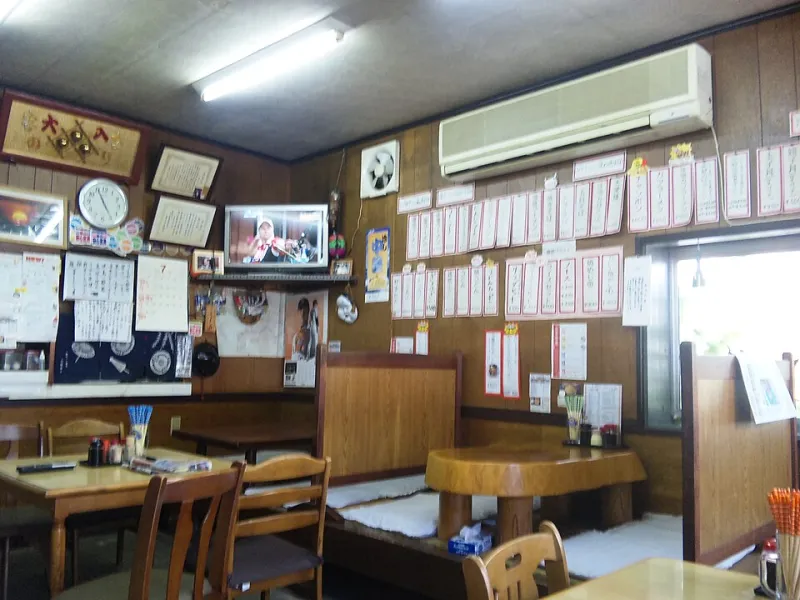
When you wander into a family-run izakaya in Nogata on a Tuesday night, you're not a tourist attraction. You're a guest. The owner might pour you a glass of shochu before you've even ordered, curious about where you came from. The regulars at the bar might shuffle over to show you photos on their phones — their kids, their gardens, last year's festival. It's the kind of connection that simply doesn't happen when you're surrounded by a hundred other first-time visitors all having the same carefully managed experience.
Festival Culture That Belongs to the Community
One of the most telling differences between Nogata and Japan's major tourist corridors is how local festivals actually feel. In heavily visited areas, matsuri (festivals) can start to resemble theatrical productions — beautiful, yes, but calibrated for an outside audience.
Nogata's festivals are different. Events like the Nogata Tanabata Festival draw the local community together in a way that feels genuinely participatory. Families set up alongside food vendors they've known for years. High school kids run games. Grandparents find their spot on a folding chair and watch the evening unfold with the easy contentment of people who've been doing this their whole lives.
As an outsider, you're not excluded from any of this — quite the opposite. Visitors who show genuine curiosity and a willingness to participate tend to get folded into the experience in ways that feel organic rather than orchestrated. Bring a little patience and a lot of openness, and a Nogata festival can become one of those travel memories that you end up telling at dinner parties for years.
The Everyday Stuff Is the Attraction
Here's a perspective shift that might change how you plan your next Japan trip: in Nogata, the "attractions" aren't always the point.
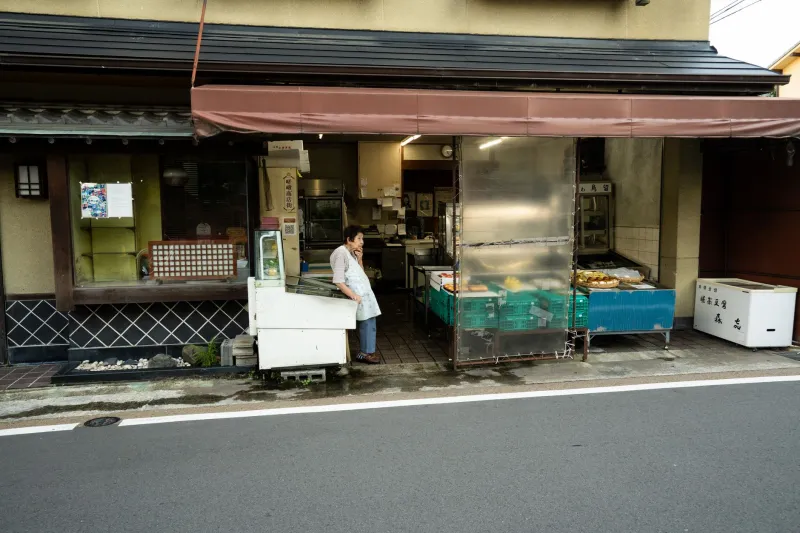
Sure, there are specific places worth seeking out — the Ita Hachiman-gu Shrine carries centuries of local history, and the surrounding countryside offers views of rural Fukuoka that feel like stepping into a Hayao Miyazaki film. But some of the best hours you'll spend in Nogata involve nothing more dramatic than a slow morning at a neighborhood coffee shop, a bike ride past rice paddies, or a stop at a shotengai (covered shopping street) where the same families have been running the same shops for three generations.
American travelers tend to feel pressure to maximize every hour of a Japan trip — bullet train here, famous temple there, Michelin-starred dinner somewhere in between. Nogata invites you to exhale. To slow down. To let the place come to you instead of racing through it.
Getting Here Without the Headache
Nogata is more accessible than its under-the-radar reputation suggests. From Hakata Station in Fukuoka City — one of Japan's major transit hubs — you can reach Nogata in roughly 40 to 50 minutes on the Fukuhoku Yutaka Line. That's a shorter commute than many New Yorkers make to get to work every day.
This proximity to Fukuoka City is actually a strategic advantage. You can base yourself in Fukuoka, explore the city's world-famous food scene and vibrant neighborhoods, and make Nogata a day trip or an overnight stay. Or flip the script entirely: stay in Nogata, enjoy the quieter pace, and treat Fukuoka as your day-trip destination.
Either way, you're not committing to an expedition. You're just making a short train ride that most visitors never think to take.
Why "Off the Beaten Path" Actually Means Something Here
Travel media overuses the phrase "off the beaten path" to the point where it's become nearly meaningless. But Nogata earns it in a way that's worth examining.
The beaten path in Japan — Tokyo, Kyoto, Osaka, Hiroshima, Nara — exists for good reason. These are world-class destinations with legitimate, profound things to offer. Nobody is suggesting you skip them. But if you've done that circuit once and you're planning your second or third trip to Japan, or if you're a first-timer who genuinely prioritizes depth over breadth, Nogata represents something increasingly rare in modern travel: a place that hasn't been pre-digested for foreign consumption.
The Japan you'll find in Nogata requires a little more effort and a little more humility. You might need to point at a menu item and hope for the best. You might get cheerfully lost trying to find a shrine that's not on Google Maps. You might end up sharing a meal with people whose names you'll struggle to pronounce and whose language you don't speak — and somehow have one of the best conversations of your entire trip.
That's not a bug. That's the whole point.
Come Curious, Leave Changed
Nogata won't hand you a highlight reel. It won't give you the perfectly framed photo that racks up likes. What it will give you is something harder to package and far more valuable: the feeling that you actually went somewhere, rather than just passing through.
For American travelers who've started to feel like tourism has become a kind of elaborate theme park experience — even in the most beautiful places on earth — Nogata is the antidote. It's a city that asks something of you, and rewards you generously for showing up.