Soak It In: Nogata's Quiet Onsen Scene Is the Real Wellness Experience You've Been Looking For
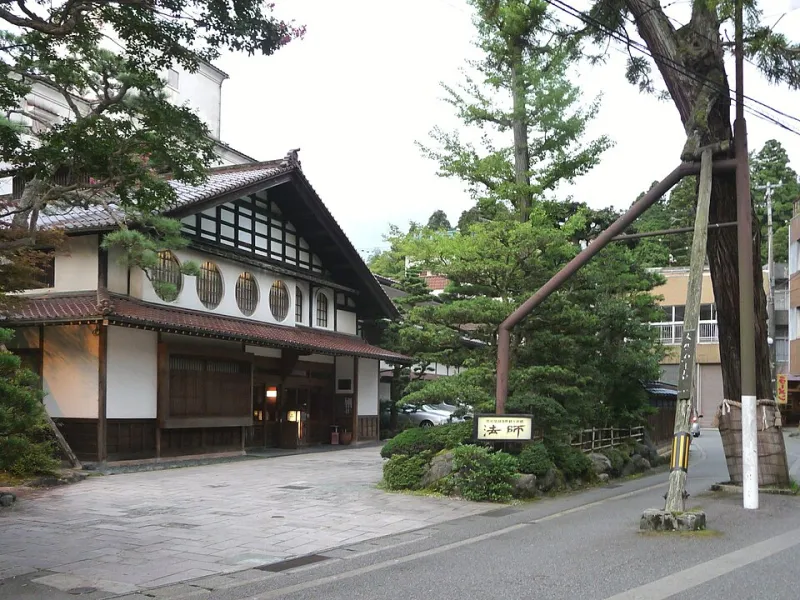
Photo: Namazu-tron, CC BY-SA 3.0, via Wikimedia Commons
There's a version of onsen culture that gets exported to the rest of the world — the glossy ryokan brochure version, all bamboo lanterns and perfectly folded yukata robes. It's beautiful. It's also a little rehearsed.
Then there's Nogata.
This mid-sized city in northern Fukuoka Prefecture doesn't show up on most hot spring bucket lists. Beppu has its steam vents and Instagram moments. Yufuin has its boutique inns and weekend crowds. Nogata has something harder to package: a bathing culture that's woven into the rhythm of everyday life, where the regulars know each other by name and the water has been drawing people in from the surrounding coal-mining communities for generations.
If you're the kind of traveler who'd rather find the real thing than the curated version, this one's for you.
The Water Has a History Here
Nogata's relationship with hot springs isn't accidental. The region sits within a geothermally active zone, and its history as a coal-mining hub through much of the 20th century meant that tired, aching workers needed somewhere to go after long shifts underground. The local sento — communal bathhouses — and smaller onsen facilities became social anchors, not just hygiene stops.
That legacy still shows. When you walk into one of Nogata's neighborhood bathhouses, you're stepping into a tradition that was built for working people, not for tourists. The water doesn't care who you are. That's kind of the point.
"My grandfather used to come here after every shift," says Kenji Matsuda, who now helps run a small family onsen facility on the edge of the city. "The miners didn't have much, but they had the baths. It was the one place where everyone was equal — you can't wear your rank in the water."
That egalitarian spirit is still palpable. Nogata's onsen spots tend to be unpretentious, affordable, and genuinely local. You might be soaking next to a retired schoolteacher, a delivery driver, or a grandmother who's been coming to the same bath for fifty years.
What to Expect (So You Don't Feel Awkward)
Let's be honest — if you've never done a traditional Japanese bath before, the whole thing can feel a little intimidating. No swimsuits. Shared space. A very specific set of unspoken rules. But it's genuinely not as daunting as it sounds, and getting it right is a lot easier than you'd think.
Here's the short version:
Rinse before you get in. Every onsen facility will have a row of shower stations along the wall. Sit down, grab the hand-held shower, and clean yourself thoroughly before approaching the main bath. This isn't optional — it's the foundation of the whole system. The communal water stays clean because everyone respects this step.
Leave the towel at the edge. The small towel you're given is for washing, not for wearing in the water. Most people fold it and set it on their head or leave it at the side of the bath. It's fine to hold it in front of you while moving around, but it goes in the water with you.
Keep it quiet. Nogata's local baths aren't spa resorts with ambient playlists. The vibe is calm, conversational at a low volume, and genuinely relaxing. Match the energy in the room.
Tattoos — check ahead. Japan's onsen culture has traditionally restricted tattooed visitors, a policy linked to historical associations with organized crime. Many smaller, community-oriented facilities in Nogata operate on the same policy, though attitudes are gradually shifting. If you have visible tattoos, it's worth calling ahead or asking at the front desk — some places will accommodate you in a private bath.
The Difference You'll Actually Feel
Nogata's spring water tends to be sodium-chloride based, which gives it a slightly silky quality on the skin. Regular visitors swear by its effects on muscle soreness, circulation, and general stress levels — and while the science on thermal bathing is nuanced, there's something undeniably restorative about sitting in warm mineral water for thirty minutes with nowhere else to be.
"The water here is good for the body, but I think it's better for the mind," says Yuki Tanaka, who manages a small onsen inn on the outskirts of the city and has been hosting guests — mostly domestic travelers — for over two decades. "People come in tense. They leave different. You can see it in how they walk out."
She's not wrong. There's a particular kind of decompression that happens in a traditional bath that a hotel hot tub or a spa back home just doesn't replicate. Part of it is the heat. Part of it is the ritual. Part of it is simply being somewhere that wasn't designed to perform wellness at you.
Finding the Right Spot for Your Style
Nogata's onsen options span a range. On one end, you have the neighborhood sento-style facilities — basic, cheap, beloved by locals, and totally unpretentious. On the other end, there are small inn-style establishments where you can book a private bath and stay the night, turning the experience into a proper slow-travel moment.
For first-timers, a private bath booking at one of the smaller inns is a low-pressure way to get comfortable with the format before jumping into a communal setting. Once you've got the rhythm down, the communal baths are where the real cultural texture lives.
If you're traveling with kids, check ahead — some facilities have family bath options, and staff are generally patient with curious international visitors who come armed with a translation app and a genuine willingness to learn.
Pair It With the Rest of Your Day
One of the underrated pleasures of Nogata's onsen culture is how well it fits into a broader day of exploration. Spend the morning walking the city's quieter backstreets or poking around a local shrine, grab lunch at one of the ramen spots the city is quietly famous for, and then let the afternoon drift into a long, unhurried soak before dinner.
That's not a tourist itinerary. That's just a really good day.
Nogata doesn't need to compete with Beppu's volcanic drama or Yufuin's designer aesthetics. It offers something those places have largely traded away in exchange for fame: a bath culture that still belongs to the people who live there, and a warm welcome for anyone willing to show up without expectations and simply soak.
The water's fine. Come on in.