Off the Beaten Path Is the New First Class: Why Nogata Has Become the Ultimate Travel Brag
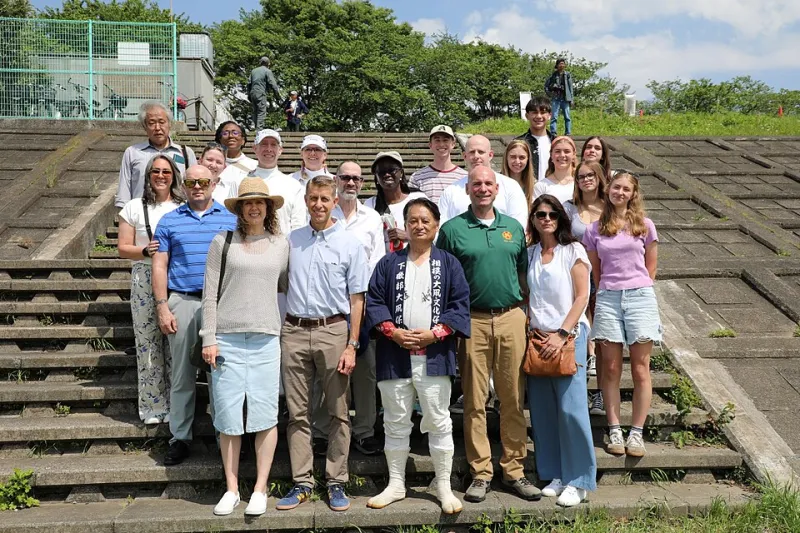
Photo: U.S. Army USAGJ by Noriko Kudo, Public domain, via Wikimedia Commons
Let's be honest for a second. When someone at a dinner party leans across the table and says, "Oh, we did Kyoto," you nod politely. You've heard it before. The bamboo grove photos, the Fushimi Inari torii gates stretching into the distance, the matcha soft serve — beautiful, sure, but about as surprising as a pumpkin spice latte in October. Now imagine someone at that same dinner dropping the words "Nogata, Fukuoka Prefecture" into the conversation. Silence. Curiosity. Maybe a little envy. That's the new flex.
There's a cultural shift underway in American travel, and it's moving fast. The old markers of a successful Japan trip — ticking off the Golden Pavilion, riding the Shinkansen to Tokyo, snapping a Mt. Fuji sunrise — haven't disappeared entirely, but they've lost their shine among a growing segment of US travelers who want something more. Something real. Something that can't be replicated by a thousand other Instagram accounts posting the exact same frame.
Nogata, a quietly compelling city tucked into Fukuoka Prefecture in northern Kyushu, has become the unexpected answer to that craving.
When Authenticity Became the New Luxury
Travel trends tend to follow money and meaning, and right now both are pointing in the same direction: away from the obvious. For years, luxury in travel meant thread counts, Michelin stars, and private transfers. Those things still matter to plenty of people, and there's nothing wrong with that. But a different kind of traveler — one who reads Monocle, subscribes to independent travel newsletters, and follows food journalists on social media rather than influencers — has redefined what "doing it right" actually looks like.
For this crowd, the real luxury is access. Not access to the best suite at a five-star hotel, but access to a version of a place that most visitors never see. It's sitting down at a family-run izakaya where the menu is handwritten in Japanese, the owner speaks almost no English, and somehow the whole thing works beautifully anyway. It's wandering through a neighborhood where the only tourists are you and maybe one other couple who had the same obscure travel tip.
Nogata delivers that experience in spades — and without the performative effort that some "off the beaten path" destinations require. You don't need a four-wheel drive or a local fixer. You just need to show up with an open mind and a willingness to slow down.
The Bragging Rights Are Real — and Earned
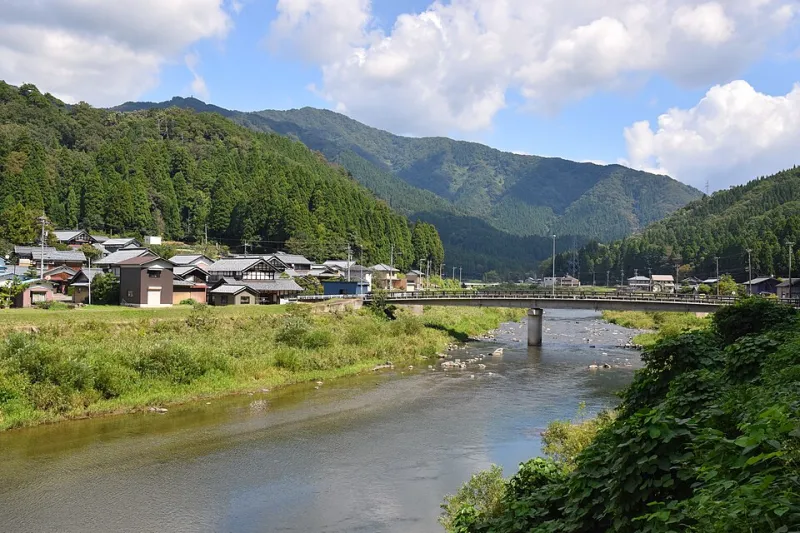
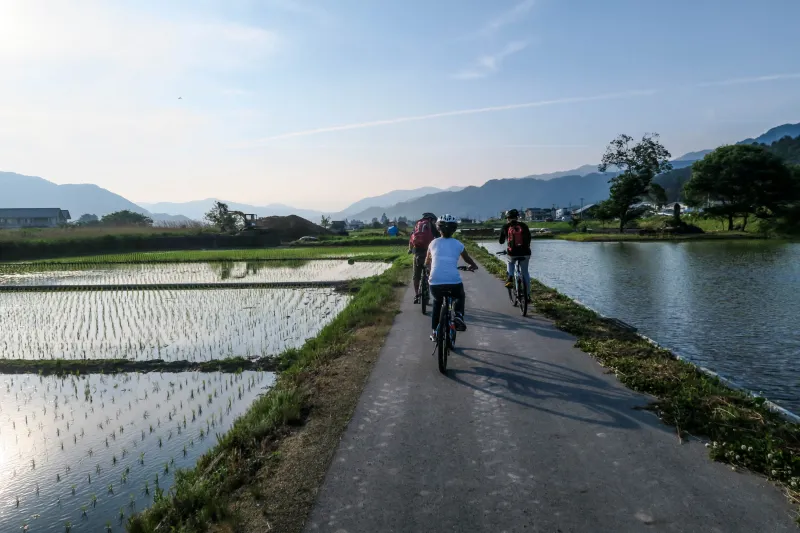
Here's the thing about Nogata that makes it genuinely brag-worthy rather than just contrarian: the place is legitimately interesting. This isn't about going somewhere obscure for the sake of obscurity. Nogata has deep roots in Japan's coal mining history, a food culture that punches well above its weight, and a surrounding landscape — think rolling hills, quiet rivers, and old shrine paths — that feels like it belongs in a Studio Ghibli film.
When you tell someone you spent time in Nogata, you're not just saying "I avoided the crowds." You're saying you sat with something layered and complex, that you gave yourself permission to not understand everything immediately, and that you came home with stories that don't sound like everyone else's. That's earned bragging rights. That's the travel equivalent of reading the book before the movie comes out — except the movie never comes out, because Nogata isn't on the mainstream radar yet.
Why Fukuoka's Shadow Has Actually Protected Nogata
Part of what makes Nogata so appealing right now is its proximity to Fukuoka City — one of Japan's most livable and internationally recognized urban centers — without being absorbed by it. Fukuoka gets plenty of attention. Its ramen scene is legendary, its airport is famously convenient, and its compact, walkable layout makes it a natural base for exploring northern Kyushu.
But Nogata has quietly benefited from sitting just outside Fukuoka's spotlight. Close enough to be genuinely accessible — a straightforward train ride from Fukuoka's Hakata Station — but far enough that the tour buses don't bother. The traveler who flies into Fukuoka and immediately heads to Nogata isn't making a sacrifice. They're making a choice, and that choice says something.
Among a certain type of American traveler, that's become a point of pride. "We based ourselves in Nogata and day-tripped into Fukuoka" is a sentence that lands differently than the reverse.
The Exclusivity Paradox
There's an interesting tension at the heart of this trend, and it's worth naming. The appeal of places like Nogata is partly rooted in their undiscovered quality — but writing about them, as we're doing right now, nudges them incrementally toward discovery. It's the traveler's paradox: the things that make a place special are sometimes the same things that disappear when too many people show up.
Nogata isn't in danger of that happening anytime soon. The infrastructure for mass tourism simply isn't there, and that's not a criticism — it's a feature. The guesthouses are small. The restaurants are local. The experience is, by design, intimate. Even if Nogata's profile rises among American travelers, the nature of the place puts a natural ceiling on the kind of overcrowding that has plagued spots like Kyoto's Arashiyama or the Shirakawa-go village.
What that means practically is that there's still a meaningful window to experience Nogata in the way that makes it special. The bragging rights are available, but they require you to actually show up and do the work of getting there.
What It Actually Means to "Discover" a Place
One more thing worth sitting with: the idea of "discovering" somewhere like Nogata is, of course, relative. The people who live there haven't been waiting to be found. Nogata has its own rhythms, its own community, its own sense of self that exists completely independently of whether an American traveler decides to visit.
The best version of this trend — the one worth celebrating — isn't about conquest or collecting pins on a map. It's about showing up somewhere with genuine curiosity, spending money with local businesses, and leaving with a more complicated and honest understanding of Japan than you arrived with. Nogata rewards that kind of traveler. It's patient with you when you fumble through a menu, generous with its food and its landscapes, and quietly proud of what it is without needing to perform for anyone.
That, maybe more than anything, is why it's become the new status symbol. Not because it's hard to reach or because it sounds impressive at dinner parties — though both are true — but because it asks something real of you. And the travelers who answer that call tend to come back changed in ways they didn't entirely expect.
That's worth bragging about.