Six Seats, No Menu, No Mercy: Surviving and Thriving at Nogata's Counter Restaurants
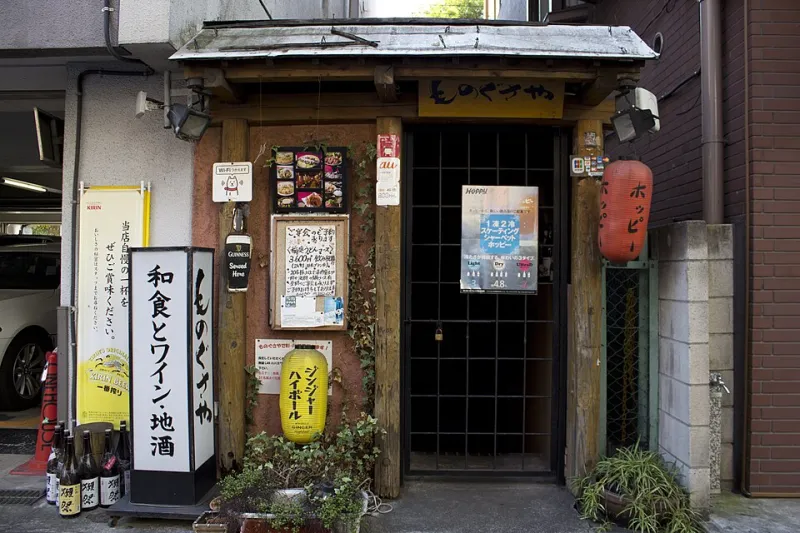
Photo: Japanexperterna.se, CC BY-SA 3.0, via Wikimedia Commons
Let me describe the place you're afraid of: a six-seat counter, a grandmother behind the griddle, a hand-painted sign in Japanese you can't read, and a door that opens with a bell that announces your arrival to everyone inside. No English menu. No pictures. No escape.
I've eaten at dozens of these spots across Nogata, and I'm here to tell you the truth: they are the best meals you will have in Japan, full stop. The fear is the toll. Pay it.
The Mindset Shift That Fixes Everything
Here's what US travelers get wrong: we treat ordering like a test we might fail. In Nogata's counter restaurants, there is no test. There's a person who cooks, and you, hungry. That's the entire transaction. Nobody expects you to speak Japanese. They expect you to be pleasant and hungry, and you can manage both.
The granny behind the counter has fed miners, schoolteachers, and drunk salarymen for forty years. She has seen worse than you. You will not break her.
The Actual Mechanics of Ordering
Point if you must. Many counter spots have a few plastic-food models in the window or handwritten specials on the wall. Point, smile, hold up fingers for quantity. This works. It has always worked.
Learn two words. "Kore o kudasai" (this one, please) and "oishii" (delicious) will carry 90% of the interaction. The other 10% is smiling.
Say "omakase" and mean it. In a former mining town, omakase doesn't mean a $200 tasting menu. It means "chef's choice," and the chef's choice is whatever's freshest, whatever she feels like making, and whatever the regulars are eating. It is the single highest-trust move in Japanese dining, and in Nogata it usually costs less than an airport sandwich. Say it. Sit back. Be surprised.
The Slurping Question, Answered
Yes, slurp. At a noodle counter, slurping isn't rude — it's functional. It cools the noodles, aerates the broth, and signals to the cook that you're enjoying yourself. Silent, polite noodle eating is actually the awkward option. Let it rip.
What to Do When You Don't Know What You're Eating
You will encounter this. My rules, developed over many meals and one regrettable piece of cod roe:
- If it's hot, try it.
- If the regulars are eating it, definitely try it.
- If you don't like it, put your chopsticks down and order a rice ball. Nobody is keeping score.
Why the Scary Spot Wins
The places with English menus and English-speaking staff have already adapted to tourists. The places that haven't adapted have no reason to compromise — the food is for the people who live here. In a town like Nogata, where the lunch counter feeds the same crowd every day, the standards are brutal and the prices are honest.
So here's your field assignment: walk past the place that looks comfortable. Find the counter with the peeling sign and the grandmother with the ladle. Sit down. Point. Say omakase.
Worst case, you have an awkward lunch and a story. Best case, you have the meal of your trip for the price of a vending machine soda. In Nogata, the odds are heavily in your favor.