Dirt Under Your Fingernails: Eating Through Nogata's Living Farm Culture
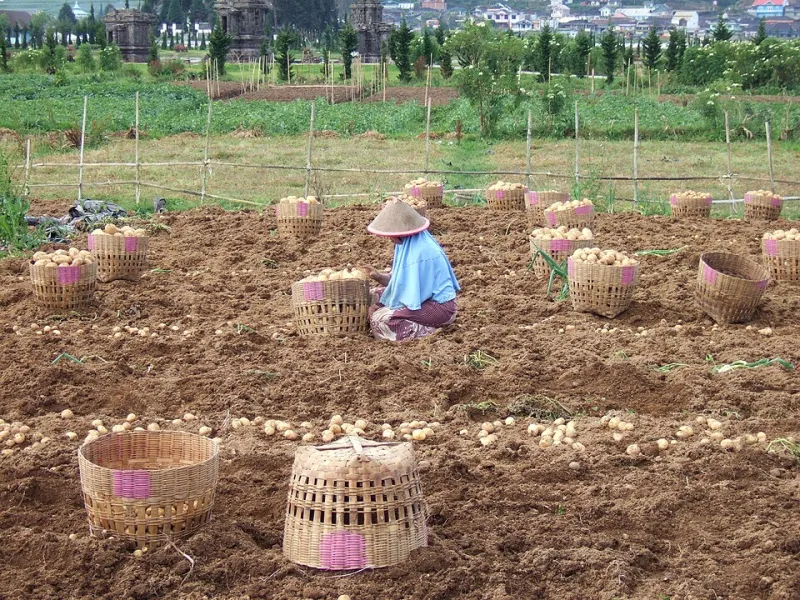
Photo: Midori, CC BY-SA 3.0, via Wikimedia Commons
Let's be honest: most American travelers have encountered "farm-to-table" as a menu buzzword rather than an actual experience. You've seen the chalkboard signs at brunch spots in Portland and Brooklyn. You know the vibe — artisan, curated, slightly overpriced. What you probably haven't encountered is a place where farm-to-table isn't a concept at all. It's just Tuesday.
That's Nogata.
Tucked into the northern stretch of Fukuoka Prefecture, this quietly productive region has been feeding its communities through careful, seasonal agriculture for generations. Nobody here is branding it. There are no influencer-ready harvest tables draped in linen. What there is, though, is something far more valuable: a genuine, working relationship between land and plate that visitors can step into — if they know where to look.
The Fields That Feed a Region
Nogata's agricultural landscape is shaped by the same river systems and mild climate that made northern Kyushu one of Japan's most fertile zones. Rice paddies stretch across the valley floors, catching morning light in ways that would stop any photographer cold. But beyond the iconic rice culture, the region produces an impressive variety of vegetables, fruits, and specialty crops that rarely make it onto national radar.
Local farmers here cultivate everything from burdock root and lotus to seasonal strawberries and persimmons, adjusting their crops with a precision that tracks closely with the calendar. Ask a farmer what they're growing and they'll likely answer with a month rather than a product name. "Right now? It's definitely a daikon moment," one grower near the Onga River basin told a local food writer last autumn. That seasonal instinct — knowing not just what grows but when it's at its truest self — is at the heart of everything Nogata puts on the table.
Morning Markets Worth Waking Up For
If you want to understand how Nogata eats, the farmers' markets are your first stop. These aren't weekend pop-ups staffed by vendors who drove in from the city. They're community anchors where the person selling you a bundle of green onions is the same person who pulled it from the ground before dawn.
The atmosphere is unhurried and genuinely welcoming, even for visitors who don't speak Japanese. Pointing, smiling, and a willingness to look confused go a long way. Vendors are used to curious faces and often go out of their way to demonstrate how something should be cooked, miming a chopping motion or offering a small taste straight from their table.
For travelers accustomed to Whole Foods produce halls, the visual difference is immediate. Things are smaller, more irregular, and more vivid. A tomato that looks almost too red. Cucumbers with a slight curve. Mushrooms that smell like actual forest. This is produce that hasn't been optimized for shelf life — it's been grown for flavor, and the difference is not subtle.
Getting Your Hands Dirty: Agritourism in Action
Nogata's farming families have gradually opened their operations to visitors in ways that feel organic rather than performative. These aren't theme park experiences. They're working farms that happen to welcome guests who want to understand where food actually comes from.
Harvest participation opportunities vary by season. Spring brings strawberry picking that draws local families on weekends, but weekday visitors often get a quieter, more personal experience — sometimes ending up in an actual conversation with the farmer over barley tea and seasonal sweets. Autumn opens up rice harvesting, which is genuinely physical work and genuinely satisfying in a way that's hard to explain until you've done it.
Some farms offer half-day or full-day programs that go beyond the picking itself. You might help sort vegetables, learn how a particular crop is prepared for market, or sit down to a meal made entirely from what you harvested that morning. These experiences are typically arranged through local tourism contacts or accommodation hosts, who often have personal relationships with nearby farms. If you're staying at a guesthouse or farmstay in the area, ask your host — they'll usually know exactly who to call.
Cooking with Farming Families
Perhaps the most immersive option Nogata offers is the informal cooking workshop hosted by farming households. These sessions vary widely — some are structured, some are barely structured at all — but the common thread is that you're cooking in someone's actual kitchen, with ingredients from their actual garden, following recipes that have been adjusted and passed down over decades.
The dishes tend to be humble in presentation and extraordinary in flavor. A simple miso soup made with homegrown tofu and vegetables pulled that morning is a different category of food from anything you'd order in a restaurant. There's a directness to it that's hard to manufacture. You made it, you know where everything in it came from, and the person across the table from you grew half the ingredients.
For US travelers, these moments often land as unexpectedly emotional. There's something about eating food with the people who produced it — in their home, at their table — that cuts through the usual tourist distance. You're not observing Japanese culture. You're briefly, genuinely participating in it.
Slow Food as a Philosophy, Not a Movement
What makes Nogata's agricultural culture distinct from the slow food movement as Americans tend to understand it is the absence of ideology. Nobody here is making a statement. The local commitment to seasonal, sustainable, small-scale food production isn't a reaction to industrial agriculture — it's simply what has always been done, because it works, and because the community values what it produces.
That lack of self-consciousness is, paradoxically, what makes it so compelling to visit. When a farming family invites you to help harvest their burdock and then feeds you lunch made from that same burdock an hour later, they're not demonstrating a principle. They're just living the way they live. You're welcome to join in, and you're welcome to take the lesson home with you.
Planning Your Visit
The best time to engage with Nogata's farm culture is during the spring and autumn harvest windows, roughly April through June and September through November. That said, even a midsummer visit will put you in contact with a different but equally interesting set of crops and experiences.
Start by reaching out to local accommodation hosts, who are typically your best connectors to farm experiences. The Nogata tourism office can also point you toward registered agritourism operators. Come with flexibility — these aren't bookable-in-advance, ticketed attractions. They're relationships, and like all relationships, they work better when you show up with patience and genuine curiosity.
Leave the Instagram strategy at home. What you'll find in Nogata's fields and kitchens is too real for a filter anyway.