After the Sun Goes Down: Chasing Nogata's Street Food Scene by Night
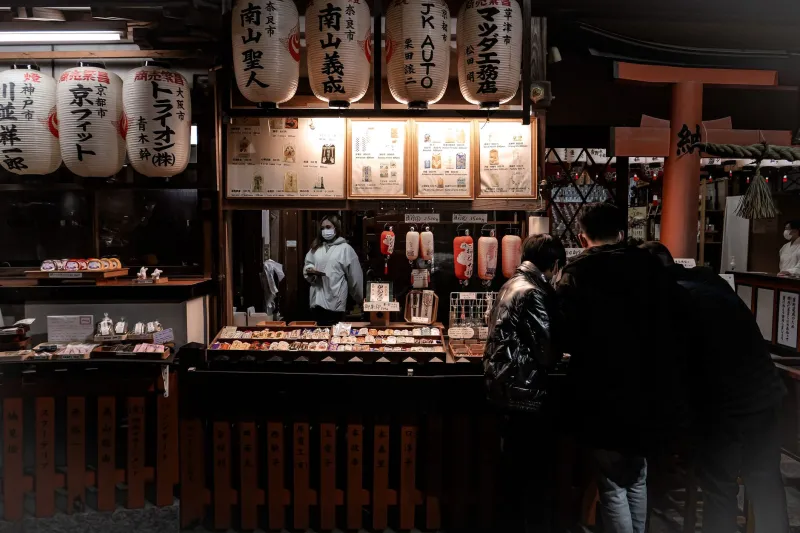
There's a moment in Nogata — somewhere between the last bus home and the first cold beer of the evening — when the city quietly transforms. The daytime crowds thin out, the souvenir shops pull their shutters, and a different kind of energy takes over. Smoke curls from portable grills. The smell of soy and charred scallion drifts down narrow backstreets. And if you know where to look, you'll find yourself standing in the middle of something that most tourists never get to experience: Nogata after dark.
This isn't a scene that announces itself on travel blogs or shows up in hotel concierge recommendations. It's the kind of thing you stumble into — or, better yet, get pointed toward by someone who grew up here. Consider this your cheat sheet.
Why Nogata's Night Food Scene Hits Different
If you've done any eating in Japan's bigger cities, you already know the country does street food well. But Fukuoka Prefecture has a particular reputation for it — the whole region is basically a cult around casual, standing-and-eating culture. Nogata, tucked inland from the coast, doesn't have the same international fame as Fukuoka City, and honestly, that's the whole point.
Because Nogata isn't performing for tourists, what you get at its evening markets and vendor stalls is genuinely local. The dishes reflect what people around here actually want to eat after a long day. The prices reflect what residents are actually willing to pay. And the vendors — many of whom have been working the same corners for decades — aren't pitching you. They're just doing what they do.
That authenticity is rare, and it's worth going out of your way for.
The Stalls Worth Tracking Down
Nogata's evening food scene isn't a single, organized night market with a map and an entrance fee. It's more dispersed than that — clusters of vendors near community gathering spots, a row of mobile stalls that appear on weekends near the train station area, pop-ups tied to seasonal festivals. Part of the fun is figuring it out as you go.
That said, a few recurring fixtures are worth knowing about.
Yakitori and Grilled Skewers You'll find yakitori vendors almost anywhere people gather after work in Japan, but the versions you encounter in Nogata tend to lean heavier on regional seasoning — a slightly sweeter tare glaze than what you'd find in Tokyo, and a more liberal hand with the salt. Some stalls specialize in parts of the chicken that American menus would never touch: hearts, gizzards, cartilage. Try them. You might surprise yourself.
Oden in the Cooler Months Once the temperature drops — and even Fukuoka Prefecture gets genuinely cold from November onward — oden becomes the thing. A big simmering pot of dashi broth holding daikon radish, fish cakes, boiled eggs, and tofu. It's comfort food in the most literal sense, and eating it standing at a small outdoor stall while your breath fogs in the cold air is a very specific kind of perfect.
Takoyaki and Variations Octopus balls are everywhere in Japan, but the local vendors in Nogata sometimes put their own spin on the fillings — adding pickled ginger, or swapping the standard toppings for something more regional. Watch for stalls where the vendor is actually making them to order rather than pulling from a warming tray. The difference in texture is worth the extra two minutes of waiting.
Seasonal Specials This is where it gets interesting for repeat visitors. Nogata's food vendors are deeply tuned to what's in season locally, which means the lineup shifts throughout the year. Spring might bring grilled bamboo shoot preparations. Summer pulls in cold noodle dishes and shaved ice. Autumn leans into mushroom-heavy options. Ask what's fresh — even if your Japanese is limited to pointing and nodding enthusiastically, you'll usually get somewhere.
The People Behind the Stalls
One of the things that makes Nogata's night food culture worth writing about — and worth visiting — is the generational depth behind it. A lot of these vendors aren't recent entrepreneurs who decided street food was a good hustle. They inherited their spots, their recipes, and their regulars from parents or grandparents who did the same thing.
There's something quietly moving about that continuity. A woman ladling soup from a pot her mother used. A man who learned to skewer chicken from his father at age ten and is now teaching his own kid the same rhythm. These aren't stories that get told out loud, necessarily — but they're present in the food, in the way things are done, in the pride that's visible even when nobody's watching.
If you're traveling with any Japanese language ability at all, use it here. Even a few phrases — expressing that something is delicious, asking how long they've been doing this — can open up a conversation that becomes the highlight of your trip. Vendors at smaller markets like these are often more willing to chat than you'd expect.
Practical Tips for Doing This Right
A few things to keep in mind before you head out:
Go later than you think. The evening food scene in Nogata doesn't really hit its stride until after 7 or 8 p.m. If you show up at 6, you might catch some vendors still setting up. Patience pays off.
Bring cash. This is Japan, and small vendors almost universally prefer it. ATMs at convenience stores (7-Eleven, FamilyMart) work with foreign cards and are your best bet for withdrawals.
Eat small, eat often. The point of street food culture is grazing — a skewer here, a bowl there, something fried somewhere in between. Don't fill up on one thing. Pace yourself like you're doing a tasting menu, just standing up and outdoors.
Check the local calendar. Seasonal festivals and community events often bring out more vendors than a typical evening. The Nogata area has a solid rhythm of local celebrations throughout the year, and aligning your visit with one of them can multiply what you'll find on the street.
Follow the locals. Literally. If you see a cluster of people gathered around a stall, that's your signal. You don't need to understand what's being served. Just get in line.
The Bigger Picture
Here's the thing about Nogata's night food scene that's hard to put into a listicle: it's not really about the food. Or rather, it's not only about the food. It's about the way a city reveals itself after hours, when the tourist-facing version of things relaxes and you get to see how people actually live.
Standing at a makeshift counter eating something hot and delicious while strangers chat around you, while kids run between their parents' legs, while someone laughs too loud at something on their phone — that's not a tourist attraction. That's just Tuesday night in Nogata. And getting to be part of it, even briefly, even as an outsider, is the kind of travel experience that sticks with you long after the flight home.
Nogata Explorer exists because this region deserves more than a day-trip footnote in someone's Fukuoka itinerary. Nights like these are exactly why.