Slurp Your Way Through Nogata: The Local Ramen Scene That Fukuoka Insiders Already Know
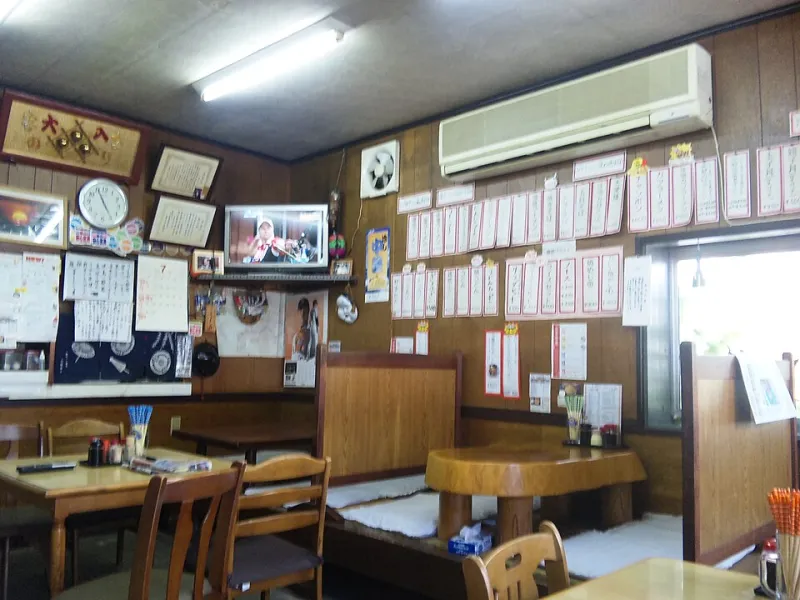
Photo: Mark Mrwizard, CC BY 2.0, via Wikimedia Commons
Why Nogata Ramen Deserves a Spot in the Conversation
Ask any serious ramen enthusiast about Fukuoka, and they'll immediately start talking about Hakata-style tonkotsu: that rich, cloudy, pork-bone broth that's become one of Japan's most internationally recognized comfort foods. It's delicious, it's iconic, and it absolutely deserves its reputation.
But here's what the conversation usually misses: Nogata has been doing its own thing with ramen for a long time, and the result is a regional style that's distinct enough to warrant serious attention — and humble enough that it hasn't been overrun by food tourists yet.
For American food lovers who've made pilgrimages to ramen spots in New York, LA, or even Japan's major cities, a day spent eating through Nogata's noodle scene is the kind of experience that recalibrates your entire understanding of what the dish can be.
Understanding Nogata's Ramen DNA
Before you start mapping out shops, it helps to understand what makes Nogata ramen distinct from its more famous Fukuoka cousins.
Hakata-style tonkotsu tends to be aggressive — the broth is opaque white, intensely porky, and often served with thin, firm noodles. It's bold, almost confrontational in the best possible way. Nogata's interpretation takes a slightly different approach. Local cooks have historically favored a lighter tonkotsu base that's still deeply flavorful but allows more nuance to come through. The fat content is dialed back just enough that you can actually taste the individual components — the sweetness of the pork, the hint of soy, the aromatics that each shop keeps as closely guarded as a family heirloom.
This is ramen that rewards attention rather than just demanding it.
Shop 1: The Counter That Started It All
What to Order, What to Expect
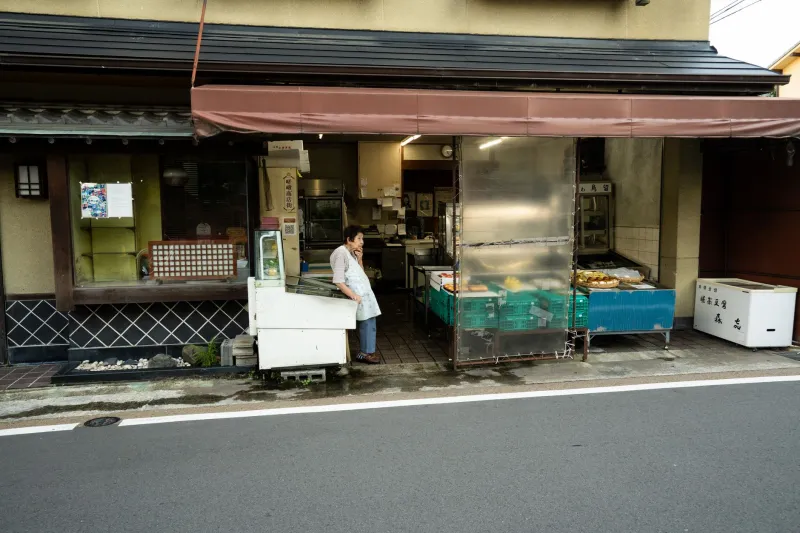
Among Nogata's most devoted ramen regulars, certain small counter-style shops have been operating for so long that they've become neighborhood institutions. These aren't places with elaborate signage or social media presence — they're identified by the line of regulars outside at lunchtime and the weathered noren curtain hanging over the doorway.
At spots like these, the move is always the basic bowl — what the Japanese call futsuu or regular. Skip the toppings for your first visit. The broth is the story, and you want to read it without interruption. A properly made Nogata-style bowl will have a golden clarity underneath the surface fat, and the flavor builds slowly rather than hitting you all at once.
Pro tip: these shops often close when they run out of broth for the day. Aim for an 11:30 a.m. arrival if you're serious.
Shop 2: The Family Operation That Refuses to Expand
Three Generations, One Recipe
One of the most compelling things about Nogata's ramen culture is how many shops are genuinely multi-generational family businesses. It's not uncommon to encounter a restaurant where the grandmother developed the original broth recipe, the son refined it, and the grandchildren are now running the kitchen — all without ever opening a second location or franchising the concept.
This kind of operation typically serves a hybrid broth that blends tonkotsu with a chicken base, producing something richer and more complex than either alone. The noodles are often made in-house, with a slightly thicker cut than Hakata standard. The chashu pork — braised belly, sliced thick — tends to be the star of the bowl here, slow-cooked until it yields at the touch of a chopstick.
Don't skip the seasoned soft-boiled egg (ajitsuke tamago) if it's on offer. At the best shops, the marinade is a recipe unto itself.
Shop 3: The Late-Night Spot the Locals Protect
Ramen After Dark
In Japan's major cities, late-night ramen is practically a tourist category. In Nogata, it's still just what you do after a night out. A handful of small shops stay open past midnight, and their clientele is almost entirely local — office workers winding down, couples, groups of friends who've been at the izakaya since dinner.
The bowls at these spots tend to be slightly saltier and richer than daytime ramen, calibrated for the specific comfort needs of a late-night crowd. The atmosphere is also different: louder, more relaxed, with the kind of easy camaraderie that develops when everyone in a small room is sharing the same unglamorous, deeply satisfying experience.
For American visitors, this is one of those moments where Japan stops feeling like a destination and starts feeling like a place people actually live.
A Walking Route Through Nogata's Noodle Neighborhoods
How to Structure Your Ramen Day
If you're committed to doing this properly — and you should be — here's a loose framework for a full ramen day in Nogata:
Morning (11:00 a.m.): Start with the lightest bowl you can find. You're calibrating your palate, not filling up. One of the older counter shops near the central part of the city is a good anchor point.
Early Afternoon (1:30 p.m.): Take a break. Walk around. Explore the covered shopping streets, stop for coffee, let your stomach reset. This is not optional — ramen tourism requires pacing.
Mid-Afternoon (3:30 p.m.): Some shops run afternoon-only specials or have limited quantities of specialty toppings that sell out by evening. This is the window for your most ambitious bowl — the one with the premium chashu, the extra egg, the bamboo shoots.
Evening (6:00 p.m.): Dinner ramen hits differently. The broth has often been simmering longer, the flavors are deeper, and the atmosphere in most shops shifts toward something more convivial. This is when you order a beer alongside your bowl and stop pretending you're being efficient about any of this.
What American Food Lovers Get Wrong About Ramen Tourism
There's a tendency among Western food enthusiasts — and honestly, this applies to ramen coverage in major US food publications — to rank and tier everything. Best bowl in Japan. Top ten ramen cities. The definitive guide.
Nogata resists this framing, and that's part of what makes it worth your time. The ramen here isn't trying to compete with Ichiran or the famous shops in Fukuoka City. It's not positioning itself for a Michelin mention or a spot on a "world's best" list. It's just very, very good food made by people who've been doing it their whole lives, served to a community that shows up because the alternative would be unthinkable.
For American visitors who've started to feel like even food culture has become a performance, Nogata's ramen scene is a reminder of what it looks like when cooking is just cooking — and when a bowl of noodles is exactly as meaningful as it needs to be.
Practical Notes Before You Go
- Cash is king at most small ramen shops. Carry yen.
- Slurping is not just acceptable — it's encouraged. The noise aerates the broth and enhances the flavor. Do it.
- Seating is often limited. Solo diners have an advantage; groups of four or more may need to split up or wait.
- No reservations. Show up, wait if necessary, eat.
- Google Translate's camera function is genuinely useful for menus. Download the Japanese language pack before you arrive.
Nogata's ramen won't come to you. But if you go to it — with an empty stomach and zero expectations — it'll give you a story worth telling.