Temples, Shrines, and Silence: Finding Japan's Spiritual Soul in Nogata
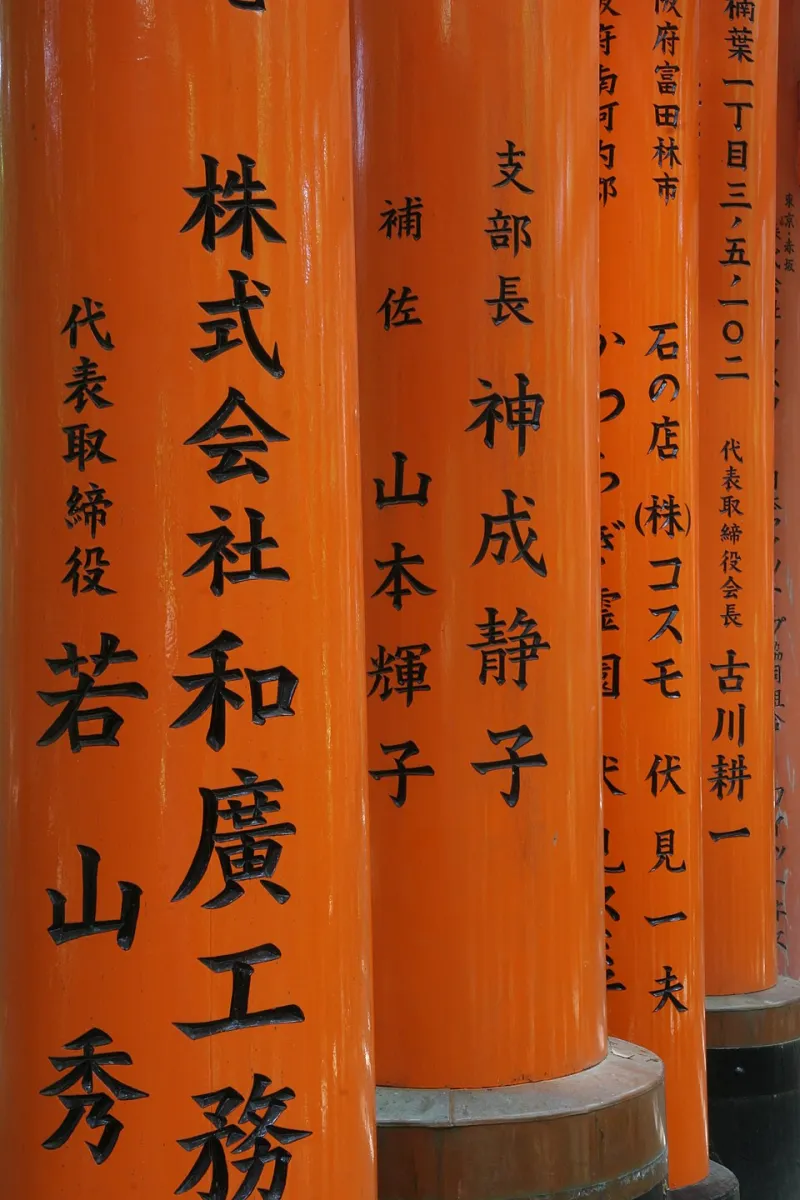
Photo: MichaelMaggs, CC BY-SA 2.5, via Wikimedia Commons
Let's be honest about Kyoto for a second. It's stunning. The temples are extraordinary, the history is layered and rich, and if you've never been, you absolutely should go. But if you've stood at the base of Kinkaku-ji recently and tried to find a moment of quiet reflection while four hundred other tourists jostled for the same photo angle, you already know that something gets lost in translation between ancient sacred space and modern tourism destination.
Nogata offers a different path — literally and figuratively.
This northern Fukuoka city is home to shrines and temples that have been part of local life for centuries, attended by the same communities that built them, unchanged by the kind of mass tourism that can inadvertently hollow out a sacred site's meaning. Visiting them feels less like checking a box and more like being briefly welcomed into something genuine.
Understanding the Difference: Shrines vs. Temples
Before diving into Nogata's specific sites, it's worth clearing up a distinction that trips up a lot of first-time visitors to Japan. Shrines (jinja) are Shinto, Japan's indigenous spiritual tradition, which centers on kami — divine spirits that inhabit natural phenomena, ancestors, and particular places. You'll recognize shrines by their torii gates, typically painted vermilion, and the rope-adorned sacred spaces throughout the grounds.
Temples (tera or ji) are Buddhist, brought to Japan from the Asian continent around the 6th century. They tend to feature Buddha statues, incense, and a more formal architectural style. Many Japanese people practice elements of both traditions simultaneously — visiting shrines for births and weddings, temples for funerals and the New Year — which is a nuance that says a lot about how spirituality actually functions in everyday Japanese life.
Nogata has both, and spending time at each type offers genuinely different experiences.
The Shrines: Nature, Community, and Deep Roots
Nogata's Shinto shrines tend to feel embedded in the landscape in a way that's hard to articulate until you're standing inside one. The grounds are often shaded by ancient trees — some of them hundreds of years old — and the combination of dappled light, the sound of wind through leaves, and the faint smell of cedar creates an atmosphere that's immediately calming.
The ritual of visiting a shrine follows a satisfying structure that's easy to learn. You purify your hands at the temizuya (the stone water basin near the entrance), approach the main hall, and offer a small coin before bowing, clapping twice, and bowing again. It takes about thirty seconds and feels, even for secular visitors, like a meaningful pause.
Local shrines in the Nogata area serve as community anchors in a way that's increasingly rare. You'll see elderly residents stopping in for a moment of prayer on their morning walks, parents bringing small children for seasonal blessings, teenagers hanging ema — small wooden plaques inscribed with wishes and prayers — on the designated racks. There's nothing performative about any of it. This is simply how life is organized here.
Seasonal Festivals: The Shrine Calendar Comes Alive
If your timing is right, Nogata's shrine festivals (matsuri) offer one of the most immersive cultural experiences available anywhere in Japan. These aren't staged events for tourists — they're genuine community celebrations that happen to be open to respectful outside observers.
Spring and autumn tend to be the richest seasons for festival activity. You might encounter portable shrines (mikoshi) being carried through the streets by groups of residents in traditional dress, or outdoor performances of traditional music and dance that have been passed down through local families for generations. Summer festivals often include fireworks and street food stalls that transform quiet shrine precincts into lively, joyful gatherings.
The key is to approach these events with curiosity and humility rather than a camera-first mentality. Watch before you photograph. Follow the lead of locals. If someone gestures you closer, take them up on it — you might end up sharing festival food with a family who thinks it's perfectly natural to include a confused but enthusiastic American visitor in their evening.
The Temples: Contemplation and a Slower Kind of Seeing
If Nogata's shrines feel connected to the living pulse of the community, its Buddhist temples offer something quieter — a more explicitly contemplative atmosphere that invites you to actually sit with your thoughts for a while.
The architecture at local temples rewards slow attention. Stone lanterns line pathways. Incense smoke drifts across courtyards. The main halls contain statues and altar arrangements that have accumulated meaning over centuries of prayer and ritual. None of this requires any particular religious belief to appreciate — it's simply one of the most thoughtfully constructed aesthetic environments you're likely to encounter.
Some visitors choose to purchase incense at the entrance and offer it at the main altar, which is an entirely appropriate thing to do regardless of your personal beliefs. Others simply find a bench in the temple garden and stay for longer than they expected to. Both approaches are valid.
A Note on Etiquette (and Why It Matters)
Respectful behavior at sacred sites isn't just good manners — it's what keeps these places accessible and welcoming to international visitors over the long term. The basics are straightforward: speak quietly, dress modestly, follow any posted instructions about photography, and never touch statues or ritual objects unless explicitly invited to do so.
At shrines with purification basins, use the provided ladle to rinse your hands before approaching the main hall. At temples, be mindful that some areas may be reserved for active religious practice and aren't intended as tourist viewing zones.
Nogata's sacred sites are not museum exhibits. They're functioning religious spaces that happen to be extraordinarily beautiful and genuinely open to curious visitors. Treating them accordingly is both the right thing to do and, practically speaking, the thing that makes the experience richer.
Why This Is Worth Your Time
There are faster ways to see Japan's spiritual heritage. You could spend a day in Kyoto hitting five famous temples in a row, photograph everything, and technically say you've done it. But there's a version of this experience that goes deeper — that actually helps you understand something about how Japanese people relate to the sacred, to history, and to each other.
That version is available in Nogata, without the crowds, without the tour group audio guides, and without the gift shops selling temple-branded matcha Kit Kats. Just the real thing, in a place that hasn't forgotten what these spaces are actually for.