Five Days in Japan for Under $500: A Nogata Budget Breakdown That Actually Adds Up
Let's talk about the number nobody wants to say out loud: $100 a day doesn't go far in Tokyo anymore. Between hotel rates that routinely crack $180 a night, $15 craft cocktails, and the quiet horror of a $40 dinner that was supposed to be casual, the classic 'Japan is affordable' advice is starting to feel like it was written in 2015.
But here's the thing — that advice was never wrong about Japan. It was wrong about where in Japan.
Nogata, a small city in Fukuoka Prefecture about 40 minutes from Kitakyushu, operates on an entirely different price scale. And unlike the big tourist cities, the lower prices don't come with a lower quality of life. A $9 bowl of ramen here is a great bowl of ramen. Your $60 guesthouse comes with mountain views and a host who wants to talk to you.
The Real Numbers, Line by Line
Lodging: A clean business hotel room runs $45–60 a night. A farmstay or family-run guesthouse lands between $50 and $75, usually with breakfast included. Compare that to Tokyo, where $100 buys you a capsule and a prayer.
Meals: Breakfast from a bakery or konbini: $3–5. Lunch sets (teishoku) at local diners: $7–10, and they're generous. Dinner at an izakaya, with drinks: $20–25 if you order like a person with restraint. Daily food total: roughly $25–30.
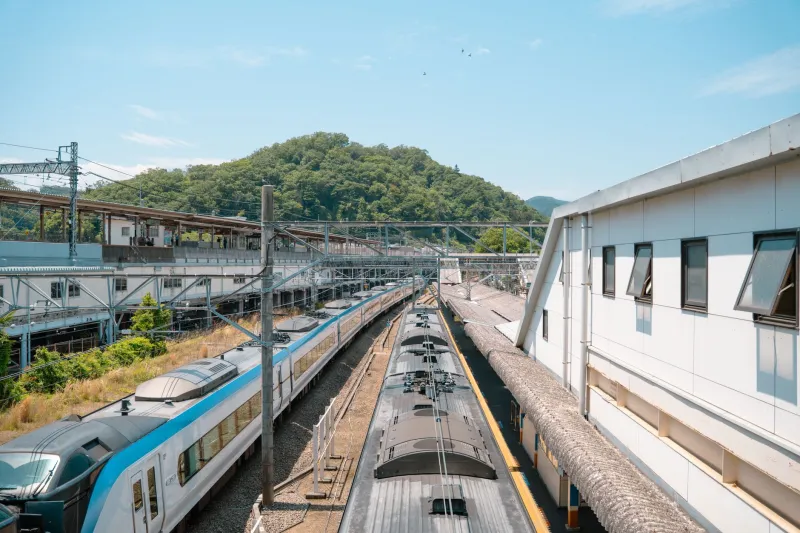
Getting around: The Heisei Chikuho Railway connects Nogata to neighboring towns for $2–5 a ride. Buses are similar. Even a day of hopping around rarely tops $10.
Onsen entry: This is where your jaw drops. Day-use onsen in the region run $4–8. In Hakone or Beppu, you'd pay three or four times that for a comparable soak.
Entertainment and small stuff: Temple entries are often free. Hiking is free. A craft experience like pottery or a farm tour might run $15–25.
Tally it up and a full, comfortable day in Nogata lands around $85–95. Not surviving — comfortable. Dessert money included.
A Five-Day Plan That Comes In Under $500
Day 1 — Arrival and slow landing. Train in from Kitakyushu ($5), check into a guesthouse ($60), grab ramen dinner ($9), evening stroll. Total: ~$75
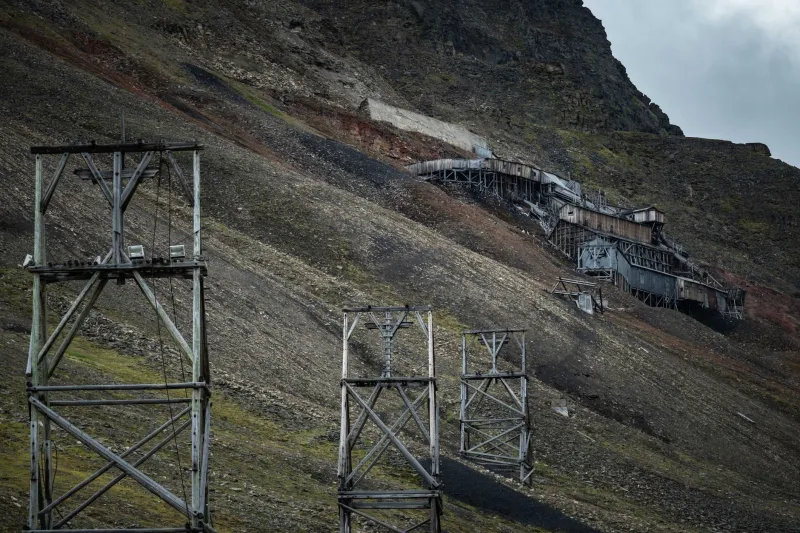
Day 2 — Coal country history. Visit the Nogata Memorial Hall of Coal, wander the old mining district, lunch set ($8), onsen soak ($6), izakaya dinner ($22). Total: ~$100
Day 3 — Mountains and trails. Pack a konbini breakfast ($4), hike a local trail all morning, farm-to-table lunch ($12), quiet dinner ($18). Total: ~$95
Day 4 — Craft day. Pottery experience ($20), temple hopping (free), udon lunch ($7), guesthouse-hosted dinner ($15). Total: ~$105
Day 5 — Market morning and departure. Farmers market breakfast ($5), last onsen ($6), souvenir snacks ($10), train out ($5). Total: ~$85
Grand total: roughly $460, lodging included. In Tokyo, that's two nights at a mid-range hotel and one nice dinner — before you've bought a single train ticket.
Why the Gap Exists (And Why It Might Not Last)
Nogata isn't discounting itself. It simply never priced for tourism in the first place. These are prices set for the people who live here — which is exactly why spending money here actually matters to the local economy.
The honest caveat: word spreads. The budget-traveler discovery curve is real, and small Japanese towns that get 'found' don't stay cheap forever. Right now, Nogata is in that sweet window where your dollar still buys a whole trip instead of a single night.
Your move.